
600 Watt Solar Panel Price – Latest Cost and Buying Guide
By:Admin
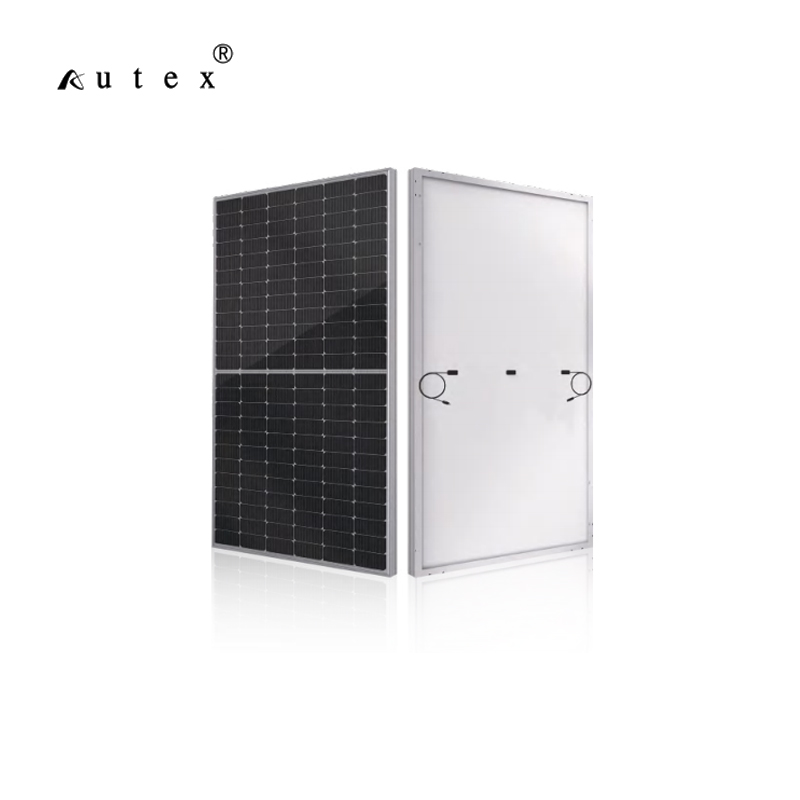
In the wake of increasing global commitment to renewable energy, solar power continues to gain substantial traction across residential, commercial, and industrial sectors. Among the various technologies emerging in the solar industry, the 600-watt solar panel has drawn significant attention for its efficiency, scalability, and cost-effectiveness. This article explores the current market trends and pricing of 600-watt solar panels, reflecting on factors that influence their demand, as well as providing insights into the solar energy landscape in 2024.
### The Growing Popularity of 600-Watt Solar Panels
As governments and corporations ramp up their sustainable energy initiatives, the demand for high-capacity solar panels like the 600-watt models has surged. These panels, known for their high efficiency and robust power output, are particularly favored in large-scale installations such as commercial rooftops and solar farms. The larger wattage allows for fewer panels to achieve the same energy needs, optimizing installation space and reducing ancillary costs such as mounting hardware and wiring.
The shift towards higher wattage panels is largely driven by advancements in photovoltaic technology, including improved cell efficiency and innovative materials. Manufacturers have made strides in upgrading mono and polycrystalline cells, incorporating bifacial designs, and developing superior encapsulation methods that enhance durability and performance under varied environmental conditions.
### Pricing Overview
The price of a 600-watt solar panel varies based on several factors, including manufacturing technology, material quality, and regional market dynamics. As of mid-2024, the average price for a 600-watt panel typically ranges between $150 to $220 per panel in most global markets. This price bracket reflects the balance between premium efficiency and cost considerations that customers seek.
Bulk purchases, ongoing government incentives, and competitive supplier environments have further contributed to price reductions. Several regions benefit from subsidies and tariff exemptions on solar technologies, making the adoption of 600-watt panels more financially accessible. Consumers are advised to consider not only the upfront panel prices but also long-term returns on investment, taking into account durability, warranty policies, and expected power generation.
### Market Drivers and Influences
Several factors underpin the current market dynamics of 600-watt solar panels:
1. **Energy Demand and Sustainability Goals:** Rising energy demands combined with stringent carbon reduction targets compel utilities and businesses to explore large-scale solar deployment. Higher wattage panels are increasingly favored to maximize output within limited spatial footprints.
2. **Technological Innovations:** The evolution of photovoltaic cell technology continues to drive improved power ratings without proportional increases in panel size or cost.
3. **Manufacturing Scale and Supply Chain Stability:** Expanding production capabilities and stabilized supply chains have mitigated price volatility seen in past years, making panels more readily available.
4. **Government Policies and Incentives:** Subsidies, tax credits, and renewable energy mandates in various countries have stimulated broader adoption, indirectly influencing competitive pricing.
### Benefits of Choosing 600-Watt Solar Panels
Adopting 600-watt solar panels offers distinct advantages, including:
- **Enhanced Efficiency:** Larger wattage panels convert more sunlight to electricity per panel, reducing the total number required for a system.
- **Space Optimization:** Particularly useful in commercial installations where rooftop space is limited.
- **Cost Savings:** Reduction in ancillary costs such as installation labor, wiring, and mounting equipment.
- **Scalability:** Easier to scale installations for future capacity expansions.
### Challenges and Considerations
While 600-watt panels offer many benefits, potential buyers should also consider:
- **Weight and Handling:** Larger panels tend to be heavier and may require specialized mounting solutions and structural evaluations.
- **Compatibility:** Existing inverters and system components may need upgrading or adjustment to accommodate higher capacity panels.
- **Installation Complexity:** Installation teams need training and experience to handle larger units safely and effectively.
### Looking Ahead: Solar Energy in 2024 and Beyond
The solar industry continues to evolve rapidly, with an emphasis on higher efficiency, longer warranties, and better integration with energy storage solutions. The 600-watt solar panel segment is expected to grow as part of this trend, supported by advancements that lower the cost-per-watt and enhance reliability.
Investments in research and development, along with policy support worldwide, indicate that solar technology will become more accessible and efficient. Coupled with growing environmental awareness and the economic imperatives of energy independence, solar energy’s future remains bright.
### Conclusion
The 600-watt solar panel represents a significant step forward in solar technology, striking a balance between power output and cost-efficiency that aligns well with current market demands. As sustainability initiatives continue to drive the renewable energy agenda globally, choosing the right solar panel involves careful consideration of technology, pricing, and installation factors.
For consumers and businesses considering solar energy investments, understanding the dynamics surrounding 600-watt solar panels can facilitate informed decisions that deliver long-term value and contribute to a greener future. With ongoing technological progress and supportive policies, the solar market is poised for sustained growth, benefiting all stakeholders in the energy ecosystem.