
Affordable Solar Panel Systems with Inverter and Battery Price Guide
By:Admin
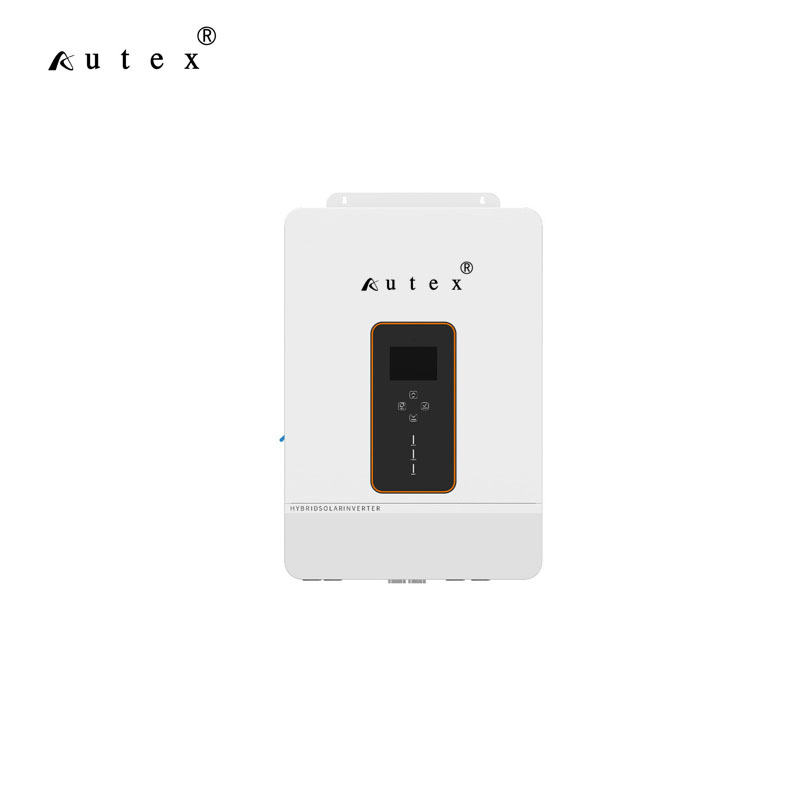
As the demand for clean and renewable energy continues to rise, more households and businesses are turning toward solar power to reduce electricity costs and minimize environmental impact. Recent market trends indicate a significant shift in the availability and pricing of comprehensive solar panel systems that include inverters and batteries, making solar energy solutions more accessible than ever before.
**Declining Prices Boost Solar Adoption**
The global solar energy market has witnessed a substantial decrease in the cost of solar panels, inverters, and batteries over the past few years. Technological advancements, increased production capacity, and improved supply chains have collectively driven down prices, allowing consumers to invest in complete solar setups at competitive rates.
According to industry sources, the average price for a solar panel system with a built-in inverter and battery storage has become affordable for middle-income households. This integrated setup not only captures sunlight efficiently but also converts it into usable electricity and stores surplus power for later use, thus ensuring consistent energy availability even during outages or nighttime.
**Understanding Solar Systems With Inverters and Batteries**
A typical solar energy system comprises solar panels, which absorb sunlight and convert it to direct current (DC) electricity. Since most home appliances run on alternating current (AC), an inverter is essential to convert DC into usable AC electricity. Additionally, batteries store excess energy generated during the day, enabling users to power their homes after sunset or during grid failures.
The inclusion of both inverter and battery in a package simplifies installation and reduces compatibility issues for consumers. This all-in-one solution is highly beneficial for residential users who seek energy independence and want to safeguard against rising utility costs.
**Current Pricing Trends**
Recent data compiled from various suppliers and solar distributors reveal that a standard residential solar package, including solar panels, inverter, and battery storage, ranges from approximately $5,000 to $10,000 depending on system capacity and brand specifications. Smaller systems designed for basic energy needs start at the lower end of the spectrum, while larger installations with high-capacity batteries push pricing toward the upper limit.
These prices often include installation fees and warranties, providing consumers with a transparent cost structure. Additionally, government incentives, tax credits, and financing options have further lowered upfront costs, encouraging faster adoption rates.
**Company Overview**
[Company Name] is a leading provider of renewable energy solutions dedicated to making sustainable power accessible to all. With years of experience in the solar industry, the company offers high-quality solar kits designed to meet diverse energy requirements. Their systems are engineered for durability, efficiency, and user-friendly operation.
By focusing on innovation and customer satisfaction, [Company Name] has cultivated a reputation for reliability and excellence. Their dedicated team works closely with clients to design custom solar solutions that optimize energy output while fitting within budgetary constraints.
**Benefits of Choosing Integrated Solar Packages**
Consumers opting for solar panel systems bundled with inverters and batteries enjoy numerous advantages:
1. **Energy Independence**: Storing solar energy allows households to minimize dependence on the grid, ensuring power availability during blackouts or peak demand periods.
2. **Cost Savings**: By generating and utilizing self-produced electricity, users reduce monthly utility bills significantly over time, often recovering their investment within several years.
3. **Environmental Impact**: Solar power reduces carbon footprints by replacing fossil fuel-generated electricity with clean energy, contributing to global sustainability goals.
4. **Simplified Installation**: Pre-packaged systems eliminate compatibility worries and streamline setup, making solar adoption easier for new users.
5. **Scalability**: Users can start with smaller systems and expand battery capacity or panel count as energy needs grow, offering flexibility for future upgrades.
**Market Outlook**
Experts predict continued growth in solar energy installations due to ongoing improvements in battery technologies and cost reductions. The integration of smart energy management tools and grid-interactive features will further enhance system performance and user control.
Moreover, as governments worldwide commit to carbon neutrality targets, supportive policies are expected to sustain favorable economics for solar power customers. This environment makes solar panel systems with inverters and batteries an appealing investment for residential and commercial sectors alike.
**How to Choose the Right Solar Setup**
When considering solar purchases, consumers should evaluate several factors:
- **Energy Consumption**: Understanding daily and peak usage helps in selecting appropriate panel wattage and battery capacity.
- **Roof and Space Availability**: Adequate installation area ensures maximum sunlight capture and facilitates maintenance.
- **Budget Constraints**: Balancing upfront cost with long-term savings is critical for financial feasibility.
- **Warranty and Support**: Reliable product guarantees and responsive customer service safeguard investment and operational continuity.
[Company Name] provides consultations and site assessments to assist clients in making informed decisions tailored to their unique conditions.
**Conclusion**
The surge in affordable solar panel systems combined with inverters and batteries marks a pivotal moment for clean energy adoption. As prices fall and technologies advance, renewable energy becomes a practical choice for an expanding consumer base seeking sustainability, cost reduction, and energy security.
With comprehensive offerings from trusted providers like [Company Name], transitioning to solar power is more achievable than ever, empowering users to take control of their energy future while contributing to a greener planet.