
Cost of Installing Solar Panels: A Comprehensive Guide to Pricing and Savings
By:Admin
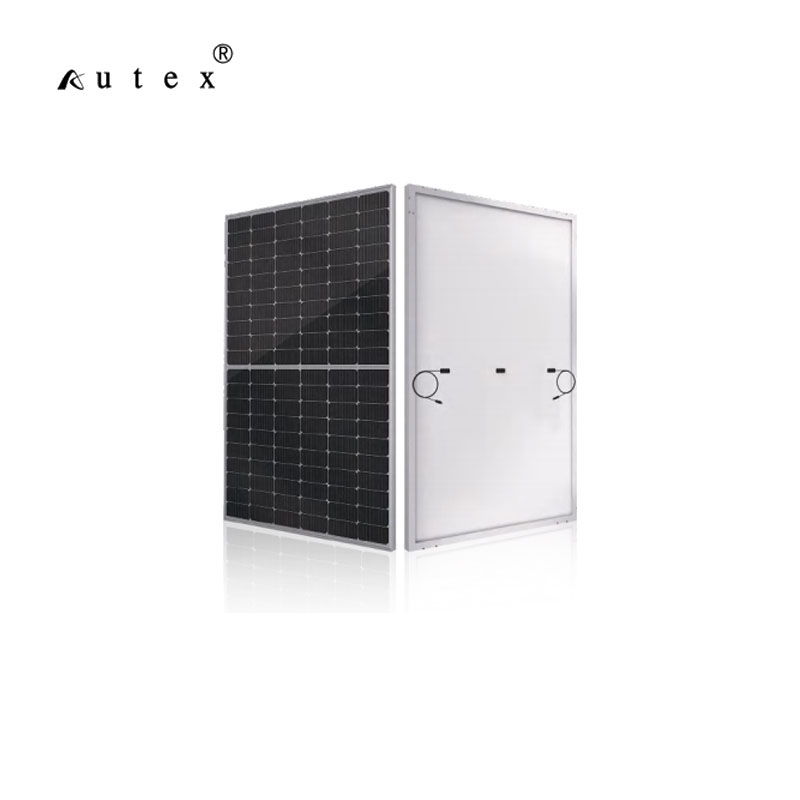
As the world shifts towards renewable energy, solar panels have become increasingly popular among homeowners seeking to reduce their carbon footprint and energy bills. However, recent data show that the cost of installing solar panels has seen some changes, impacting how and when consumers decide to adopt this sustainable technology.
**Understanding the Current Solar Panel Installation Costs**
Installing solar panels involves several components beyond just the panels themselves. These include inverters, mounting hardware, wiring, and labor. Over the past few years, prices for solar installation have generally decreased due to advancements in technology and increased competition in the market. Yet, recent reports indicate that costs have plateaued or even increased slightly in certain regions. Factors contributing to this trend include supply chain disruptions, rising raw material prices, and increased demand.
According to industry experts, the average cost of a residential solar panel system ranges between $15,000 and $25,000 before any tax credits or incentives. The price per watt installed typically falls between $2.50 and $3.50, depending on system size, location, and roof complexity. While these costs might seem high upfront, many homeowners find that the long-term financial and environmental benefits justify the investment.
**Breaking Down the Costs: What Are You Paying For?**
1. **Solar Panels:** The panels themselves, which convert sunlight into electricity, typically make up about 30-40% of the total cost. There are different types of panels available, including monocrystalline, polycrystalline, and thin-film, each with varying efficiencies and price points.
2. **Inverters:** These devices convert the direct current (DC) produced by solar panels into the alternating current (AC) used by home appliances. String inverters and microinverters are common options, with microinverters offering higher efficiency at a greater cost.
3. **Installation and Labor:** Labor costs vary significantly depending on the complexity of the roof, the size of the system, and local labor rates. Installation can account for up to 30% of the overall expenditure.
4. **Permitting and Inspection Fees:** These are often overlooked but necessary costs that vary by city and state.
5. **Additional Components:** Mounting hardware and wiring are essential for securely installing panels and connecting the system.
**Why Costs Are Shifting**
Several factors have recently influenced the cost dynamics of solar panel installations:
- **Supply Chain Challenges:** Global supply chain disruptions have delayed shipments of key components, leading to price hikes.
- **Raw Material Prices:** Prices for silicon, steel, and aluminum have increased, affecting panel and mounting system costs.
- **Labor Shortages:** Skilled labor shortages in the solar industry have driven up installation costs.
- **Increased Demand:** Growing consumer interest has temporarily strained suppliers and installers.
Despite these challenges, solar energy remains a financially sound and environmentally responsible choice for many homeowners.
**Incentives and Financing Options**
Governments and utility companies continue to offer various incentives to offset installation costs. The federal solar Investment Tax Credit (ITC) provides a significant tax credit of up to 30% of the installation cost, making solar more affordable. Many states and local governments offer additional rebates, tax credits, or performance-based incentives.
Financing options such as solar loans, leases, and power purchase agreements (PPAs) are also widely available, allowing homeowners to go solar with little or no upfront cost.
**Company Background and Expertise**
Established with a commitment to sustainable energy solutions, our company has been a trusted provider of solar panel installations for over a decade. Leveraging industry-leading technology and a team of certified professionals, we guide customers through the process, from initial consultation to final system activation.
Our approach prioritizes transparency, ensuring clients understand cost breakdowns, expected energy savings, and return on investment timelines. By tailoring solar solutions to each home’s unique architecture and energy needs, we maximize performance and customer satisfaction.
**Looking Ahead: The Future of Solar Installation Costs**
While recent cost fluctuations may cause some hesitation, the long-term outlook for solar panel installation costs remains optimistic. Continued improvements in panel manufacturing, innovative installation techniques, and expanded government incentives are expected to drive prices down over time.
Furthermore, as more homeowners adopt solar technology, economies of scale will likely reduce costs further. Energy storage options, such as home batteries, are also becoming more affordable, allowing users to maximize solar energy use and increase grid independence.
**Conclusion**
Installing solar panels is a significant investment, but the benefits in energy savings, increased property value, and environmental impact are considerable. Understanding the components that contribute to the overall cost, along with available incentives and financing options, can help homeowners make informed decisions.
While recent market dynamics have affected installation pricing, solar energy remains a leading choice for sustainable, cost-effective home power. As the industry evolves, consumers who choose solar today will be well-positioned to enjoy long-term savings and contribute to a greener future.